
Pinched Nerve & Radiculopathy Treatment in Indianapolis
Help for Radiating Arm or Leg Pain
A "pinched nerve" is a common way of describing nerve irritation or compression that can cause symptoms beyond the neck or lower back.
When a spinal nerve root becomes irritated, symptoms traveling into an arm or leg may be described clinically as radiculopathy.
At Street Chiropractic in Indianapolis, we evaluate neurological and musculoskeletal symptoms to help determine what may be contributing to nerve irritation and whether conservative treatment is appropriate.
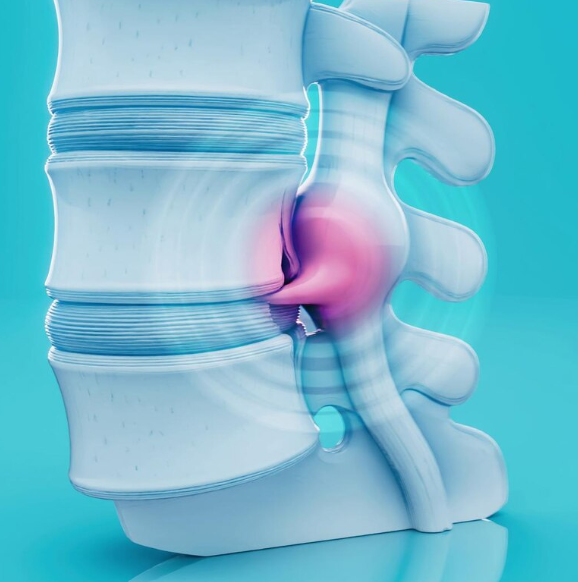
What Can Cause Nerve Irritation?
Potential causes include:
Disc herniation or bulging
Degenerative changes
Narrowing around a nerve
Inflammation
Injury
Other conditions affecting spinal nerve roots
Because numbness, tingling, pain, and weakness can have many causes, proper evaluation is important.
How We Evaluate Nerve Symptoms
Your evaluation begins with a one-on-one consultation, detailed history, and physical examination with the doctor
Depending on your symptoms, your evaluation may include orthopedic testing, neurological testing including reflexes, nerve sensation, and muscle strength testing, a range-of-motion assessment, movement evaluation, and imaging when clinically appropriate.
Rather than using the same treatment for every patient with back pain, we use your examination findings to determine which treatment options may be appropriate for you.
How We Treat Radiculopathy
Treatment for radiculopathy depends on the location and cause of the nerve irritation, your examination findings, and the severity of your symptoms. At Street Chiropractic, your treatment plan may incorporate chiropractic care, rehabilitation, spinal decompression, acupuncture, electro-acupuncture, or other therapies based on your individual needs.
Spinal Decompression
Non-surgical spinal decompression may be used for certain patients experiencing cervical or lumbar radiculopathy. The treatment uses gentle, controlled traction to reduce pressure on spinal structures and may help decrease irritation around affected nerve roots.
Spinal decompression may be considered when radiating symptoms are associated with conditions such as disc bulges, disc herniations, degenerative disc changes, or other disc-related nerve irritation. Treatment can be performed on either the cervical or lumbar spine depending on the location of the problem.
Because not every case of radiculopathy is appropriate for decompression, we first perform an examination to determine the likely source of your symptoms and whether spinal decompression is an appropriate part of your individualized treatment plan.
Learn More About Spinal Decompression →
Chiropractic Care
Chiropractic care may be incorporated when joint restriction or altered spinal mechanics are contributing to a patient's symptoms. Treatment is individualized based on the location of the nerve irritation and examination findings.
Rehabilitation
Targeted rehabilitation exercises may be used to improve mobility, strength, stability, and movement patterns. Rehabilitation may also include specific exercises or nerve-mobility techniques based on the patient's condition.
Acupuncture & Electro-Acupuncture
Acupuncture or electro-acupuncture may be incorporated as part of an individualized treatment plan to help manage pain and other musculoskeletal symptoms associated with nerve irritation.
Patients with significant or progressive weakness, worsening neurological symptoms, or other concerning findings may require additional medical evaluation or referral.
Radiculopathy and Pinched Nerve FAQs
Is a pinched nerve the same as radiculopathy?
Not exactly. "Pinched nerve" is a broad, non-medical term. Radiculopathy refers to symptoms caused by dysfunction or irritation involving a spinal nerve root.
Can a pinched nerve cause numbness?
Yes. Nerve irritation can cause numbness, tingling, burning, pain, or weakness depending on the nerve involved.
Can spinal decompression help a pinched nerve?
Non-surgical spinal decompression may be considered for certain disc-related or nerve-irritation conditions. It isn't appropriate for every patient, so examination and diagnosis come first.
When should weakness be evaluated?
New, significant, or worsening muscle weakness should receive prompt medical evaluation.
Symptoms of a Pinched Nerve
Sharp or shooting pain
Burning pain
Numbness
Tingling or "pins and needles"
Pain traveling into an arm or leg
Changes in sensation
Muscle weakness in some cases
Cervical Radiculopathy
When a nerve root in the neck becomes irritated, symptoms may travel into the shoulder, arm, forearm, or hand.
Symptoms can include neck pain, arm pain, numbness, tingling, or weakness.
Lumbar Radiculopathy
Nerve irritation originating in the lower back can cause symptoms that travel into the buttock, thigh, calf, or foot.
Lumbar radiculopathy from a disc describe patterns of radiating lower-extremity symptoms that can occur when a disc irritates or compresses a spinal nerve. Symptoms include lower back pain, leg pain, numbness or tingling which affects the whole leg into the foot.
Get Your Nerve Symptoms Evaluated
If you're experiencing pain, numbness, tingling, burning, or weakness traveling into an arm or leg, don't simply assume it's a pinched nerve.
Schedule an evaluation at Street Chiropractic in Indianapolis so we can determine the appropriate next step in your care.
Begin your Road to Recovery.
Contact Us
Interested in treatment or learning more?
Fill out the contact form and we’ll will be in touch shortly.
We can’t wait to get you onto your Road to Recovery!